

A Guide to NYC Historic Districts: What Owners on the Upper West Side, Brooklyn Heights, and Beyond Must Know
Introduction
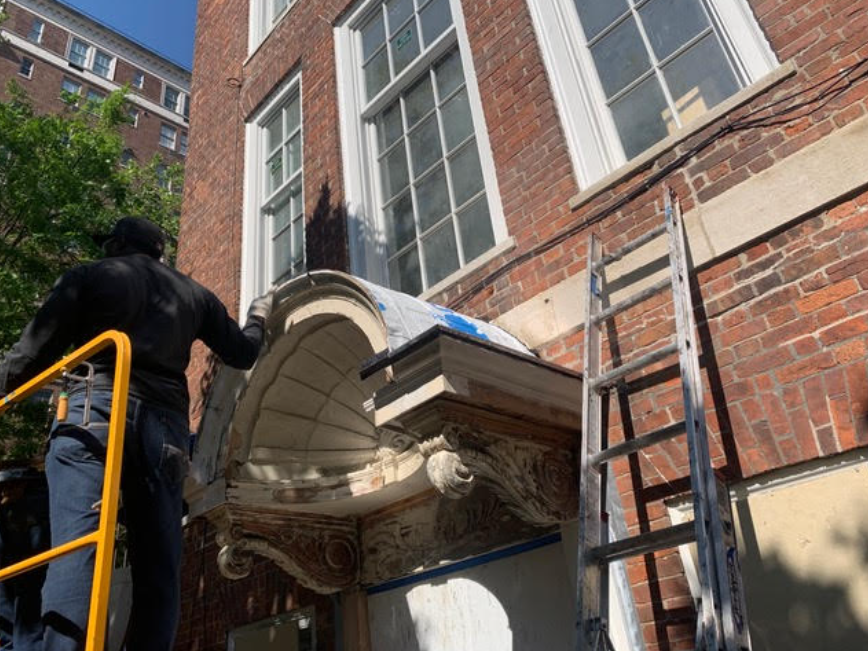
New York City has more than 150 designated historic districts covering tens of thousands of buildings across all five boroughs. If your building is in one of these districts, you need the NYC Landmarks Preservation Commission's approval before performing many exterior alterations. Owners on the Upper West Side, in Brooklyn Heights, in Park Slope, in Harlem, and throughout Long Island City's surrounding neighborhoods face these requirements whether or not they are aware of them. Fifty Three Restorations, based at 38-16 Skillman Ave # B in Long Island City, NY, has helped building owners navigate LPC requirements for more than 30 years. Here is what you need to know.
What a Historic District Designation Actually Means
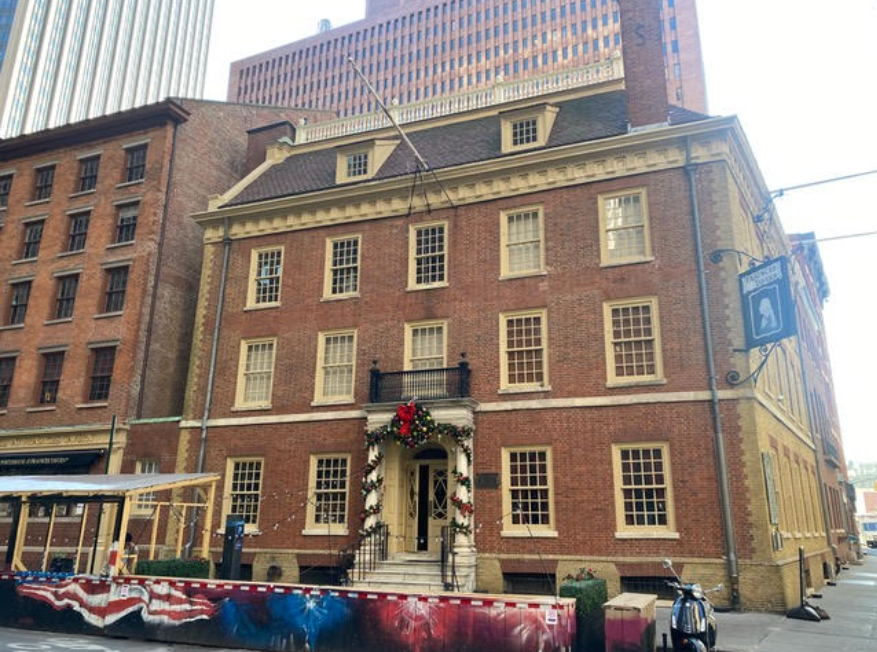
When the LPC designates a historic district, it places all properties within that boundary under its jurisdiction for exterior alterations. The designation does not affect interior spaces in most cases. It does not freeze buildings in amber. It does require that exterior changes be reviewed for compatibility with the district's historic character.
The LPC has three levels of approval, depending on what you propose to do:
- Certificate of No Effect (CNE): For work that does not affect protected features. Often processed quickly at staff level.
- Permit for Minor Work (PMW): For small-scale alterations that are appropriate but require documentation.
- Certificate of Appropriateness (CoA): For larger alterations, replacement of character-defining features, or new construction within the district. Requires full Commission review in many cases.
Work that requires no LPC approval at all includes ordinary maintenance and repairs that are identical in material, design, and finish to the feature being maintained.
5 Common Violations in NYC Historic Districts
- Installing vinyl or aluminum replacement windows without approval. Even if the replacement closely matches the original profile, material changes require CoA review in most historic districts.
- Repainting masonry or wood elements in new colors without filing. Paint color changes to previously painted masonry or wood typically require at minimum a CNE.
- Adding air conditioning units, camera mounts, or signage to landmark facades without review. Any new penetration or attachment to the exterior of a landmark building is subject to LPC jurisdiction.
- Replacing original wood cornices, balustrades, or decorative elements with non-original materials or simplified profiles. This is among the most common LPC violations observed in New York City.
- Assuming that a DOB permit satisfies the LPC requirement. The Department of Buildings and the LPC are separate agencies with separate permit processes. Both approvals may be required for the same scope of work.
How Fifty Three Restorations Supports Historic District Compliance
Our services are specifically designed for buildings in New York City historic districts. We restore rather than replace wherever conditions allow, which often reduces the LPC approval burden while producing a better outcome for the building.
Step 1: We verify your property's landmark status and historic district designation before any work is scoped.
Step 2: We assess existing conditions and identify which elements are subject to LPC jurisdiction.
Step 3: We develop a scope of work that aligns with LPC technical guidelines and minimizes approval requirements by using appropriate materials and methods.
Step 4: We provide documentation that supports LPC filings, whether CNE, PMW, or CoA.
Step 5: We execute the work and provide photographic close-out documentation.
For examples of how we approach historic district projects, see our Asbury United Methodist Church restoration and Belvedere Castle project.
Key Historic Districts Fifty Three Restorations Serves
We serve building owners across New York City's most active historic districts, including:
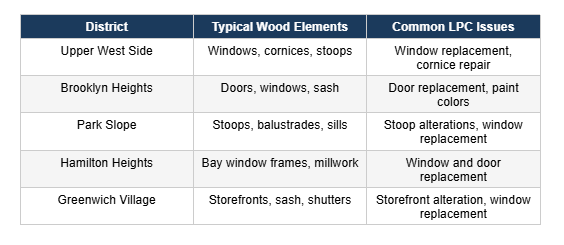
- Upper West Side Historic District, Manhattan: Dense concentration of pre-war residential buildings with original wood windows, cornices, and stoops.
- Brooklyn Heights Historic District: New York City's first designated historic district, with some of the city's oldest surviving rowhouses and Federal-style woodwork.
- Park Slope Historic District, Brooklyn: Large district with late 19th-century limestone and brownstone rowhouses requiring specialized woodwork and masonry care.
- Harlem Historic Districts: Multiple designated areas including Hamilton Heights and Mount Morris Park, with rich stock of Queen Anne and Romanesque Revival woodwork.
- Greenwich Village Historic District, Manhattan: One of the largest historic districts in the city, encompassing thousands of pre-war properties.
- DUMBO and Vinegar Hill, Brooklyn: Industrial and residential historic fabric with cast-iron and brick exterior elements.
Cost and Value of Historic District Compliance
The compliance cost for a properly managed historic district project is largely a documentation and planning cost, not a construction premium in most cases. Restoration using appropriate materials often costs similarly to replacement with code-compliant alternatives.
The cost of non-compliance is more significant. LPC violations carry civil penalties and may require removal and replacement of non-compliant work at the owner's expense. A well-managed project prevents this exposure entirely.
5 Practical Tips for Historic District Owners
- Look up your property on the LPC's website before planning any exterior work. The search takes two minutes and confirms your designation status.
- Attend an LPC pre-application meeting before hiring anyone. These free meetings with LPC staff are the most efficient way to understand your approval path.
- Select a contractor who has completed projects in your specific historic district. Each district has its own character-defining features and material expectations.
- Keep records of all prior LPC filings and approvals. They accelerate future applications and protect you in property transactions.
- Treat restoration of original wood elements as a compliance advantage. Like-kind repair with original materials typically requires less LPC documentation than replacement.
Frequently Asked Questions
Does my co-op board or condo association need LPC approval, or does the individual owner?
The property owner of record, whether that is the co-op corporation, the condo association, or an individual owner, is the responsible party for LPC compliance. Co-op and condo boards typically manage LPC filings on behalf of the building.
If I am in a historic district, do I need approval to replace a broken window pane?
Replacing a broken pane in kind, with matching glass in the original frame, generally falls under ordinary maintenance and does not require LPC approval. Replacing the entire sash or window unit is a different matter and typically does require review.
Can the LPC make me restore something I have not yet altered?
The LPC responds to applications and violations. It does not typically require owners to proactively restore deteriorated features unless the deterioration reaches a point of structural threat or hazard.
How recent are the historic district boundaries in New York City?
The LPC continues to designate new historic districts and expand existing ones. Properties that were outside district boundaries five years ago may be inside them today. Checking current status before any project is advisable.
Does Fifty Three Restorations work in Brooklyn as well as Queens and Manhattan?
Yes. We serve all five boroughs and have completed projects in Brooklyn Heights, Park Slope, Harlem, the Upper West Side, Tribeca, and many other New York City neighborhoods.
Customer Success: Upper West Side Window Restoration
James C. in New York City needed historically appropriate restoration of c1790 double-hung windows and a Dutch door. Fifty Three Restorations assessed the existing conditions, restored rather than replaced, and delivered results that met LPC standards and the owner's expectations.
"They are expert craftspeople," James said. The building retained its original windows, avoided the replacement cost, and stayed fully LPC-compliant.
Fifty Three Restorations Serving Long Island City and Beyond
Fifty Three Restorations is dedicated to serving the diverse needs of the local community of Long Island City, Queens. With our convenient location near the Queens-Midtown Tunnel and the Long Island Expressway (I-495), we offer wood window and door restoration, millwork repair, cornice restoration, and period reconstruction to property owners throughout the New York City area.
Located at 38-16 Skillman Ave # B, Long Island City, NY 11101, our team is accessible from Manhattan, Brooklyn, the Bronx, Staten Island, and all parts of Queens. We serve customers across New York City, Long Island, and Westchester County.
Quick Access Information
- Minutes from Manhattan via the Queens-Midtown Tunnel
- Easy access via the Long Island Expressway (I-495) and the BQE (I-278)
- Serving residents across the Upper West Side, Brooklyn Heights, Park Slope, Harlem, and the Bronx
- Projects completed throughout New York State
Finding quality historic district compliance and restoration close to home matters. Clients throughout New York City and the greater metro area trust Fifty Three Restorations for reliable, professional craftsmanship backed by more than three decades of experience in historic preservation.
Get historic district compliance and restoration Services in New York City Now!
Call us today at (212) 566-1053 or contact us online to request a proposal.
Driving Directions to Fifty Three Restorations
Our shop is located at 38-16 Skillman Ave # B, Long Island City, NY 11101. We are easy to reach from all five boroughs and the greater New York metro area via the Queens-Midtown Tunnel, the Long Island Expressway (I-495), or the BQE (I-278). Parking is available near our location.
[Google Maps Embed: 38-16 Skillman Ave # B, Long Island City, NY 11101]
Scan or click the map at fiftythreerestorations.com to get turn-by-turn directions from your location.
Business Hours and Contact Information
Fifty Three Restorations serves building owners, architects, and property managers across New York City and the surrounding metro area. Reach us through any of the channels below.
Business Name: Fifty Three Restorations Inc
Address: 38-16 Skillman Ave # B, Long Island City, NY 11101
Phone: (212) 566-1053
Website: fiftythreerestorations.com
Services: Interior and Exterior Architectural Woodwork, Wood Windows, Doors and Millwork, Wood Staircases and Handrails, Building Cornices, Period Reconstructions, Architectural Woodwork Finishes
Follow Us: Facebook | Instagram | LinkedIn
Get a Proposal Today
If your building is in a New York City historic district, Fifty Three Restorations can guide you through the compliance process and execute the work correctly the first time. Contact us for a written assessment and proposal.
Buildings in New York City age faster than owners expect, and every season of neglect adds cost. The right time to act is before damage spreads, not after.
Call us now: (212) 566-1053
Request a proposal online: fiftythreerestorations.com/contact-us
Fifty Three Restorations is based in Long Island City, NY and serves all five boroughs plus the greater New York metro area. Contact us today to start the conversation.
Conclusion
New York City's historic districts are among the most significant concentrations of 19th and early 20th-century architecture in the country. The LPC framework that protects them also creates real compliance obligations for owners. Understanding those obligations before you start work is the most cost-effective thing you can do.
Fifty Three Restorations has guided owners through New York City historic district projects since 1984. Reach us at (212) 566-1053 or fiftythreerestorations.com/contact-us.
Explore More Insights

Get Started with Your Project
Contact us today to schedule a consultation.
