
Can only part of a Hoboken staircase be restored?
Yes. Selective restoration is often appropriate when the primary structure remains serviceable and deterioration is limited to particular treads, rails, balusters, newels, or connections.

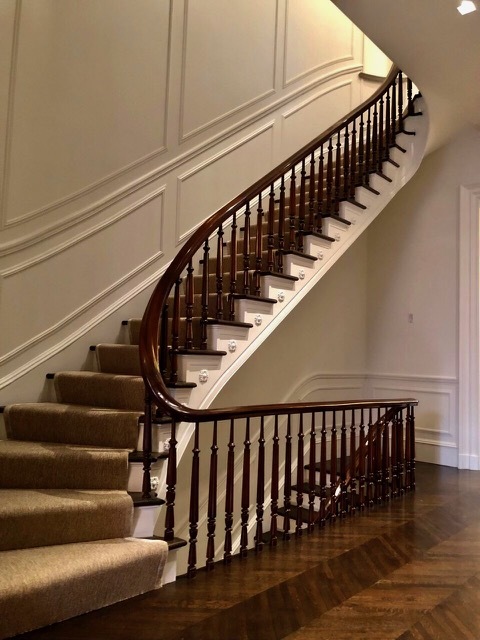
In an older Hoboken home, the staircase often connects every level while carrying some of the interior's most visible craftsmanship. A continuous rail, turned balusters, shaped newels, and worn treads can define the character of the entire entry.
Fifty Three Restorations provides wood staircase and handrail restoration built around existing conditions. We evaluate which components remain sound, where selective repair can extend service life, and when custom fabrication is needed to maintain continuity.
Since 1990, our work has focused on preserving architectural woodwork through careful repair, reconstruction, and matching craftsmanship.

Hoboken maintains locally designated historic districts, including the Residential Washington-Hudson Historic Overlay District. Across the city's older residential blocks, staircases often occupy compact, vertical plans where even a small mismatch in profile or finish becomes noticeable.
Restoration begins by understanding how the stair fits the building. Handrail geometry, landing transitions, tread dimensions, baluster spacing, and newel proportions all influence the finished result.
The objective is not to make an old staircase look generically new. It is to restore function without losing the details that make it belong to the house.

Older stair systems may contain a combination of original work, later repairs, and components that have shifted with use. A useful assessment separates cosmetic wear from conditions that affect stability or fit.
Profiles and dimensions can be documented before any removal begins. Those records help guide repairs and allow replacement elements to be fabricated around the existing staircase rather than forcing the surviving work to conform to a stock solution.
Preserved handrail sections, balusters, and carved details can become the reference for every new component introduced into the project.
The right scope depends on the staircase. Some projects need targeted stabilization and refinishing. Others require new structural or decorative components.
Work may include:
Structural work and finish work should support the same visual plan, so the restored staircase remains coherent from the first tread to the upper landing.


Fifty Three Restorations has completed staircase projects ranging from targeted repair to the reconstruction of curved stairs around preserved historic handrails.
That experience supports a flexible approach for Hoboken properties. The team can retain sound original elements, replicate missing details, and reconstruct portions that no longer fit or function, all within one preservation-minded scope.
Yes. Selective restoration is often appropriate when the primary structure remains serviceable and deterioration is limited to particular treads, rails, balusters, newels, or connections.
Existing profiles and dimensions can be documented for custom fabrication. Wood selection and finish matching also help new parts sit naturally beside retained material.
Some movement and noise can be addressed through targeted connection, tread, or structural work. The exact approach depends on what the assessment reveals beneath the visible finish.
Share clear photographs of the full stair, close-ups of damaged areas, the property location, and any renovation plans that affect the stair. Contact Fifty Three Restorations to begin.

Contact Fifty Three Restorations to discuss a Hoboken staircase assessment, restoration plan, or proposal.
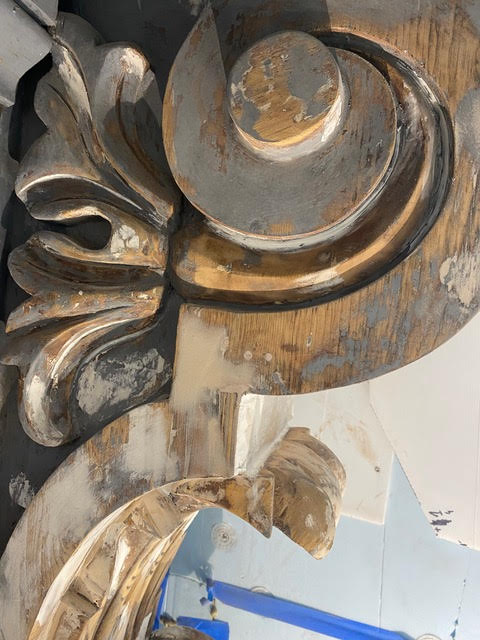
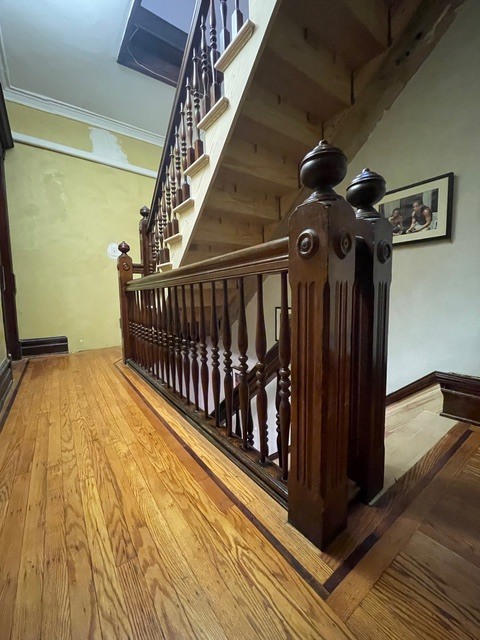
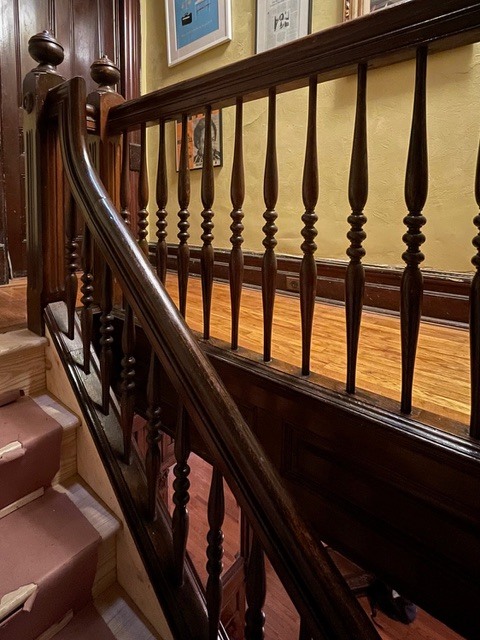
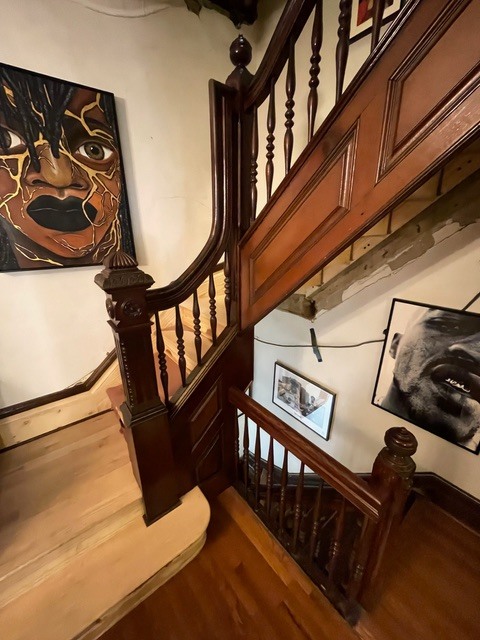
A closer look at additional stair case restoration and reconstruction projects completed by Fifty Three Restorations.





We’re here to assist you with your woodworking needs.
