

Reconstruction Period Explained: Returning Buildings to Their Historic State
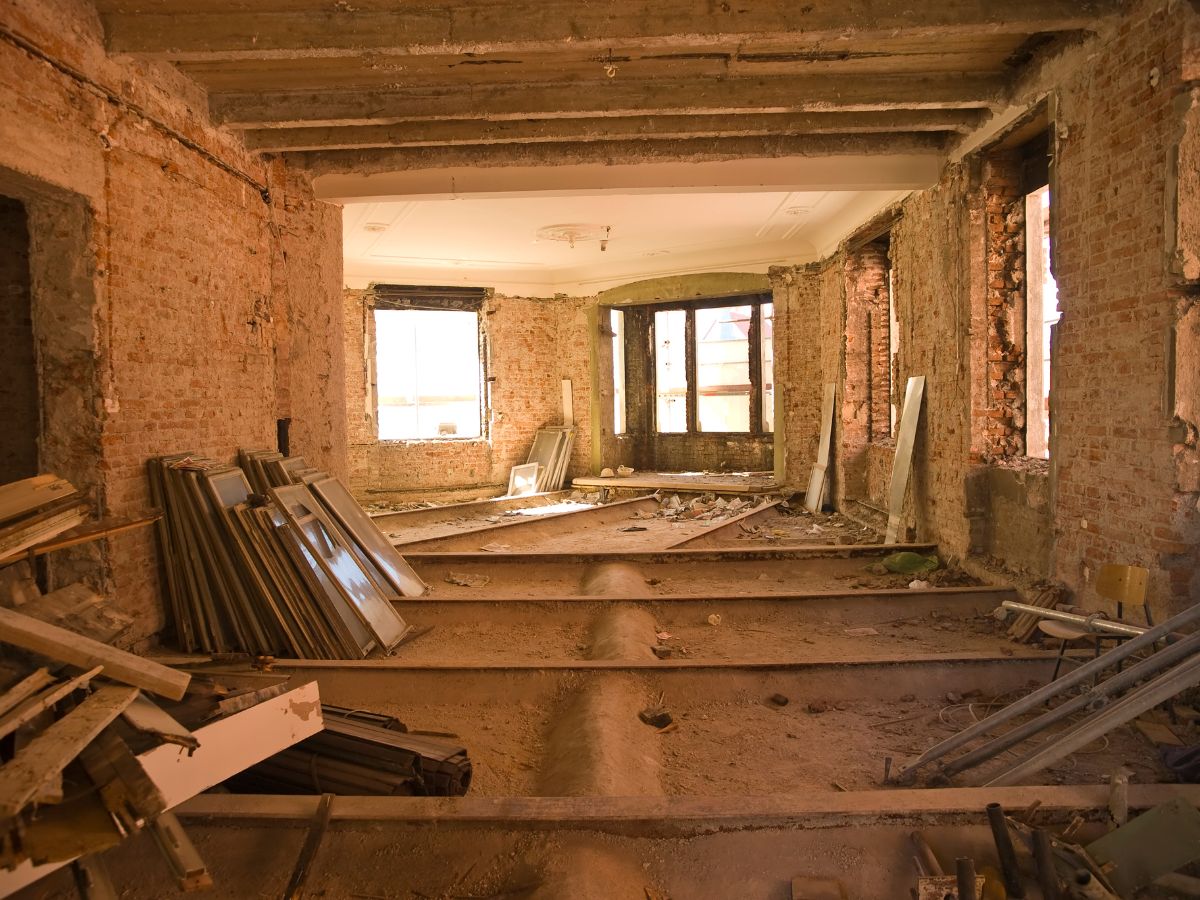
Historic buildings tell the story of our past. When these structures face damage or deterioration, property owners often ask: what is reconstruction period? The reconstruction period refers to the process of returning a historic building to its documented appearance at a specific time in history. This work goes beyond simple repairs. It requires meticulous research, specialized skills, and deep respect for original craftsmanship.
For property owners in Long Island City and throughout Queens County, understanding the reconstruction period is essential when dealing with historic properties. Whether you own a brownstone in Astoria, a vintage commercial building in Flushing, or a historic home in Forest Hills, knowing how reconstruction works protects your investment and preserves architectural heritage. Fifty Three Restorations Inc has spent over 30 years helping property owners navigate this complex process, bringing damaged or altered buildings back to their documented historic appearance.
Understanding What Reconstruction Period Means
The reconstruction period represents a specific approach to historic preservation. When experts discuss what is reconstruction period, they refer to the documented process of recreating missing or damaged building elements based on historical evidence. This differs from restoration, which preserves existing historic materials, or rehabilitation, which adapts buildings for modern use.
Reconstruction becomes necessary when:
• Fire, water, or structural damage destroys original building elements • Previous renovations removed or concealed historic features • Natural deterioration makes original materials unsafe or unsalvageable • Only photographs, drawings, or physical evidence remain of original features • Buildings need to match their appearance from a documented historical date
The reconstruction period focuses on accuracy. Every decision relies on historical documentation, archaeological evidence, or physical clues found within the building itself. Architects and craftsmen study old photographs, original blueprints, paint analysis, and similar structures from the same era. This research ensures reconstructed elements match the original design, materials, and construction methods.
In neighborhoods like Jackson Heights and Kew Gardens, many buildings feature unique architectural details from specific historical periods. When these details need reconstruction, the work must reflect authentic period craftsmanship. A Victorian-era building requires different techniques than an Art Deco structure. Understanding these distinctions makes the difference between accurate reconstruction and guesswork.
Common Mistakes Property Owners Make
Property owners who misunderstand what is reconstruction period often make costly errors:
1. Using Modern Materials Without Research
Many people assume new materials work better than historic ones. They install vinyl windows in buildings that originally had wood, or use modern fasteners that damage historic masonry. These choices compromise both authenticity and building integrity. Period-appropriate materials exist for a reason. They work with the building's original design and respond to environmental conditions the way builders intended.
2. Skipping Documentation Phase
Jumping straight into construction without proper research creates problems. What looks like an educated guess often proves wrong. Historic buildings hold clues in their structure, paint layers, and hidden spaces. Professional documentation uncovers these clues. Skipping this step means reconstructed elements may not match the original appearance or function.
3. Hiring Contractors Without Historic Experience
General contractors skilled in new construction lack the specialized knowledge reconstruction requires. They may not understand historical construction methods, period joinery techniques, or how to work with historic materials. Interior & exterior architectural woodwork requires craftsmen who understand traditional methods and can replicate them accurately.
4. Ignoring Local Preservation Guidelines
Long Island City and surrounding Queens County neighborhoods have specific regulations for historic properties. Some areas require approval before making exterior changes. Others mandate certain materials or methods. Failing to check these requirements leads to rejected permits, forced changes, and wasted money.
5. Prioritizing Speed Over Accuracy
Reconstruction takes time. Research, documentation, custom fabrication, and careful installation cannot be rushed. Property owners who demand quick timelines often end up with work that fails to meet historic standards. The result looks wrong, decreases property value, and may require expensive corrections.
Professional Reconstruction Process
Understanding what is reconstruction period means knowing how professionals approach the work. Here is how the process unfolds:
Step 1: Historical Research and Documentation
Experts begin by gathering evidence about the building's original appearance. This includes searching archives for photographs, blueprints, and building permits. They study similar buildings from the same period and location. Paint analysis reveals original color schemes. Dendrochronology can date wood elements. Physical investigation uncovers hidden features beneath later alterations.
Step 2: Assessment and Planning
With historical evidence in hand, preservation architects create detailed plans. They identify which elements need reconstruction and which can be preserved. They specify materials, methods, and finishes that match the documented period. This planning phase prevents costly mistakes during construction.
Step 3: Material Selection and Fabrication
Wood Windows, Doors and Millwork reconstruction requires period-appropriate materials. Craftsmen source wood species that match the original. They use traditional joinery methods rather than modern shortcuts. Custom milling recreates molding profiles and architectural details. This attention to material authenticity ensures the finished work matches historic appearance and performance.
Step 4: Skilled Installation
Installation requires craftsmen who understand historic construction. They know how buildings were assembled in different eras. They recognize which techniques will work with existing historic fabric without causing damage. Proper installation preserves the building's structural integrity while achieving period accuracy.
Step 5: Finishing and Documentation
Woodwork Finishes complete the reconstruction. Period-appropriate paints, stains, and protective coatings match historical evidence. All work gets documented with photographs and written records. This documentation helps future owners understand the building's history and care requirements.
Why Local Expertise Matters in Queens County
The reconstruction period takes on unique characteristics in different regions. Queens County presents specific challenges that affect reconstruction work:
Climate Considerations
New York's humid summers and freezing winters stress building materials. Historic wood windows, doors, and trim expand and contract with seasonal changes. Reconstruction must account for these conditions. Modern materials often fail because they respond differently to temperature and moisture. Period-appropriate materials, properly installed, handle local climate conditions as the original builders intended.
Architectural Diversity
From Astoria's rowhouses to Bayside's Tudor revivals, Queens County showcases diverse architectural styles. Each style comes from a different reconstruction period with unique construction methods and materials. Craftsmen working near the Museum of the Moving Image see everything from 19th-century industrial buildings to mid-century modern structures. Understanding these varied styles prevents mixing inappropriate elements.
Access and Logistics
Working in dense neighborhoods requires careful planning. Materials and equipment must navigate narrow streets. Work schedules respect neighboring properties. Local contractors who know the area, like those easily reached via 39th St, understand these logistical challenges. They work efficiently without disrupting the community.
Regulatory Environment
New York City has strict building codes and preservation regulations. Some historic districts require special approvals. Local building departments expect specific documentation. Contractors familiar with Queens County regulations navigate these requirements smoothly. They know which permits are needed and how to obtain them.
Cost and Value of Professional Reconstruction
Property owners asking what is reconstruction period also want to know about costs. Several factors affect reconstruction pricing:
Project Scope
Reconstructing a single window costs less than rebuilding an entire facade. The number of elements, their complexity, and required documentation all influence price. Detailed ornamental work requires more time and skill than simple trim.
Materials
Period-appropriate materials often cost more than modern alternatives. Specialty lumber, custom hardware, and authentic finishes add expense. These materials last longer and maintain historic accuracy, making them worth the investment.
Craftsmanship
Skilled craftsmen who understand historic methods command fair compensation. Their expertise prevents costly mistakes and ensures quality results. Paying for experience saves money compared to fixing amateur work.
Documentation Requirements
Properties in historic districts or seeking tax credits need extensive documentation. Professional photography, written reports, and submission preparation add to project costs but are necessary for compliance and future reference.
The value of professional reconstruction extends beyond the immediate project. Properly reconstructed buildings maintain or increase property values. They qualify for historic preservation tax credits. They attract buyers who appreciate architectural authenticity. They stand as lasting examples of craftsmanship and cultural heritage.
Practical Tips for Property Owners
Whether you're considering reconstruction or simply want to maintain a historic property, these tips help:
1. Document Everything
Take photographs of your building's current condition. Note any historic features, even if damaged. This documentation helps contractors understand what existed and guides reconstruction decisions.
2. Research Your Building's History
Visit local archives and libraries. Search online databases for old photographs and records. Contact historical societies. The more you know about your building's past, the better you can plan appropriate reconstruction.
3. Consult Preservation Specialists Early
Talk to experts before making decisions. They can identify what qualifies as reconstruction versus repair. They explain regulatory requirements and help you avoid costly mistakes.
4. Maintain Historic Elements Proactively
Regular maintenance prevents damage that requires reconstruction. Clean gutters, repair small leaks promptly, and protect wood surfaces with appropriate finishes. Prevention costs less than reconstruction.
5. Choose Contractors Carefully
Ask about experience with historic buildings. Request references from similar projects. Verify they understand what is reconstruction period and can execute it properly. Review their portfolio to ensure their work meets high standards.
Success Story: Astoria Brownstone Reconstruction
A property owner in Astoria contacted Fifty Three Restorations Inc after discovering their 1890s brownstone had lost its original front entrance during a 1960s renovation. Previous owners had installed a modern door and removed decorative woodwork. The owner wanted to return the entrance to its Victorian-era appearance.
Our team researched the building's history, finding original photographs at the Queens Historical Society. We discovered similar brownstones on the same block that retained their original entrances. Paint analysis revealed color schemes. Using this evidence, we reconstructed the entrance with period-appropriate millwork, custom door panels, and decorative hardware.
The project took three months from research to completion. The reconstructed entrance now matches documented evidence from the building's construction period. The owner reports neighbors frequently stop to compliment the work. The property's value increased beyond the project cost, and the owner takes pride in preserving neighborhood character.
Fifty Three Restorations Inc Serving the Long Island City Community and Beyond
Fifty Three Restorations Inc is dedicated to serving the diverse needs of the local community throughout Queens County. With our convenient location near Long Island City, we offer expert period reconstruction, architectural woodwork restoration, and historic building preservation to property owners throughout the area.
Located at 38-16 Skillman Ave # B, Long Island City, NY 11101, our team is easily accessible from Astoria, Bayside, Flushing, Forest Hills, Jackson Heights, and Kew Gardens and serves customers across Queens County and surrounding communities.
Quick Access Information:
📍 Only 10 minutes from Museum of the Moving Image 🚗 Easy access via 39th St 🌆 Serving residents across Astoria, Bayside, Flushing, Forest Hills, Jackson Heights, and Kew Gardens
We understand that finding quality historic reconstruction services close to home matters. Property owners throughout Queens County trust Fifty Three Restorations Inc for reliable, professional service backed by over 30 years of experience.
Get Expert Reconstruction Services in Queens County Now!
Call us today at 646-917-7394 or contact us online to schedule your consultation.
Business Hours and Contact Information
Fifty Three Restorations Inc brings three decades of historic preservation expertise to every project. Our craftsmen understand what reconstruction period is and execute it with precision and respect for architectural heritage.
Contact Details: Phone: 646-917-7394 Address: 38-16 Skillman Ave # B, Long Island City, NY 11101 Website: fiftythreerestorations.com
We serve property owners, developers, architects, and interior designers throughout Queens County and the greater New York area. Our services include historic reconstruction, architectural woodwork restoration, custom millwork fabrication, and period-appropriate finishing.
Verified Local Business Listings
Find Fifty Three Restorations Inc on these trusted local directories:
• Home Reno America - Metro New York Restoration Contractors
• The Blue Book - Construction Projects & Subcontractors
• MapQuest - Long Island City Location
Take the Next Step in Historic Preservation
Understanding what reconstruction period is gives you the knowledge to make informed decisions about your historic property. Don't let valuable architectural features disappear due to neglect or improper repairs. Professional reconstruction preserves cultural heritage while protecting your investment.
Fifty Three Restorations Inc stands ready to help. Our team combines historical knowledge, traditional craftsmanship, and modern project management. We handle every aspect of reconstruction from initial research through final finishing. Our work meets the highest preservation standards while respecting your timeline and budget.
Call 646-917-7394 today or visit our contact page to discuss your reconstruction project. Let us show you how expert reconstruction returns your building to its documented historic appearance while ensuring structural integrity for generations to come.
Conclusion
The reconstruction period represents more than building repair. It connects us to our architectural past and preserves craftsmanship for the future. When done right, reconstruction makes historic buildings whole again, returning them to documented appearances while ensuring they remain functional and safe.
Property owners in Queens County have access to buildings rich with history. These structures deserve careful treatment by craftsmen who understand period construction methods and materials. Whether you're restoring a single architectural element or rebuilding an entire facade, professional expertise makes the difference between authentic reconstruction and guesswork.
Fifty Three Restorations Inc has spent over 30 years perfecting the art and science of historic reconstruction. Our location in Long Island City puts us at the center of some of New York's most architecturally significant neighborhoods. We know these buildings. We understand their construction. We respect their history.
Ready to begin your reconstruction project? Contact us at 646-917-7394 to schedule a consultation. Let our experience guide your building back to its historic glory.
FAQs
What is reconstruction period and how does it differ from restoration?
The reconstruction period involves recreating missing or severely damaged building elements based on historical documentation. Restoration preserves and repairs existing historic materials without replacing them. Reconstruction becomes necessary when original materials no longer exist or are beyond repair. Both approaches respect historic buildings but serve different situations.
How long does a typical reconstruction project take in Queens County?
Timeline depends on project scope. Simple elements like reconstructing a single door might take a few weeks including research and fabrication. Complex projects involving multiple building features can take several months. Weather conditions, material availability, and permit approval also affect timing. Rush work compromises quality, so proper scheduling matters.
Can I reconstruct historic features if I don't have original photographs?
Yes, through careful investigation and comparison. Experts examine physical evidence like paint layers, nail holes, and connection points. They study similar buildings from the same period and location. Archaeological investigation may uncover buried or hidden elements. While photographs help, skilled professionals can reconstruct accurately using multiple evidence sources.
Do reconstruction projects in Long Island City require special permits?
Many do, especially for exterior work or buildings in historic districts. Requirements vary by neighborhood and building designation. Contact the New York City Landmarks Preservation Commission and local building department before starting work. Professional contractors familiar with the area handle permit applications as part of their service.
What materials work best for reconstruction in New York's climate?
Period-appropriate materials chosen for the original construction often perform best. For woodwork, this typically means old-growth lumber species like white pine, Douglas fir, or mahogany depending on the building's era. These materials, when properly finished and maintained, handle New York's humidity and temperature swings. Modern substitutes may seem convenient but often fail because they respond differently to environmental conditions.


Get Started with Your Project
Contact us today to schedule a consultation.
