

NYC Landmarks Preservation: What Building Owners Need to Know in 2026
Introduction
Owning or managing a historic building in New York City is a point of pride. It can also become a source of real stress when the NYC Landmarks Preservation Commission (LPC) sends a notice of violation. Many building owners in Long Island City, Brooklyn Heights, the Upper West Side, and across New York City discover LPC rules only after they have already done unpermitted work. Violations carry steep penalties, and the remediation can be far more involved than the original project would have been. This guide breaks down what the LPC requires in 2026, what mistakes property owners most commonly make, and how working with an experienced historic preservation contractor in New York City protects your investment. Fifty Three Restorations has served the historic preservation community from Long Island City, NY for more than three decades, and this is what we see in the field every day.
Understanding NYC Landmarks Preservation Commission Requirements
The NYC Landmarks Preservation Commission was established in 1965 following the demolition of the original Penn Station, an event that galvanized a preservation movement across New York City. Today the LPC oversees more than 37,000 individual landmarks and more than 150 historic districts throughout the five boroughs.
Here is why it matters to you as a building owner. If your property sits within a designated historic district or carries individual landmark status, you must obtain a Certificate of Appropriateness (CoA) from the LPC before performing most exterior alterations. This includes work that many owners assume is routine maintenance.
Work that typically requires LPC review includes:
- Replacing windows or doors with new materials or profiles
- Repainting masonry or wood elements with different colors
- Installing new storefront signage or awnings
- Altering rooflines, cornices, or decorative elements
- Adding mechanical equipment visible from the street
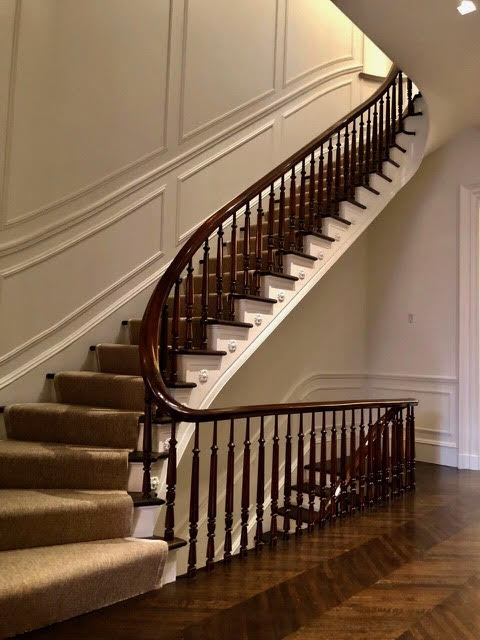
- Any work on historic woodwork, including staircases, millwork, or handrails
Work that may qualify for a faster Permit of No Effect or Certificate of No Effect includes like-for-like repairs using the same materials and methods. This is where a knowledgeable preservation contractor makes a significant difference. By restoring original wood rather than replacing it with new material, you often reduce the LPC approval burden while producing a better result for the building.
The LPC's technical guidelines, published as Preservation Briefs through the National Park Service, cover approved methods for wood window repair, cornice maintenance, and finish coatings. Fifty Three Restorations works within these standards on every project.
5 Common Mistakes Building Owners Make with LPC Compliance
- Assuming routine maintenance does not require a permit. The LPC draws a firm line between in-kind repair and alteration. Swapping a deteriorated wood window sash for a vinyl unit is an alteration requiring a CoA, even if the owner views it as a simple repair.
- Hiring a general contractor without preservation experience. Standard contractors bid on historic projects regularly and win. Without familiarity with LPC standards, they may use materials or methods that trigger violations or require extensive remediation.
- Skipping the pre-application meeting. The LPC offers pre-application staff meetings that help owners understand approval likelihood before commissioning drawings. Many owners skip this step and learn late that their proposal needs significant revision.
- Conflating DOB permits with LPC approval. A Department of Buildings permit does not substitute for an LPC Certificate of Appropriateness. Both are often required, and one does not imply the other.
- Ignoring violations until they escalate. LPC violations accrue penalties daily. Owners who receive notice and do not respond can find themselves facing civil penalties and mandatory corrective action that dwarfs the original scope of work.
How Fifty Three Restorations Navigates LPC Projects
Our process begins before a single tool touches the building. Here is how a typical historic restoration engagement moves from first contact to completed work.
Step 1: Site Assessment. Principal Vince Lepre, who holds an MS in Historic Preservation from Columbia University and has worked on New York City landmarks since 1984, leads an on-site condition assessment. We document existing materials, identify deterioration causes, and photograph all elements subject to potential LPC review.
Step 2: Scope Development. We develop a written scope of work that describes existing conditions, proposed methods, and the materials we plan to use. For wood windows, staircases, cornices, and millwork, we specify species, profiles, and finish systems consistent with LPC technical guidelines.
Step 3: LPC Filing Support. We work with the owner's architect or directly with LPC staff to support the permit application. Our documentation of existing conditions and proposed methods is thorough enough to accelerate review in most cases.
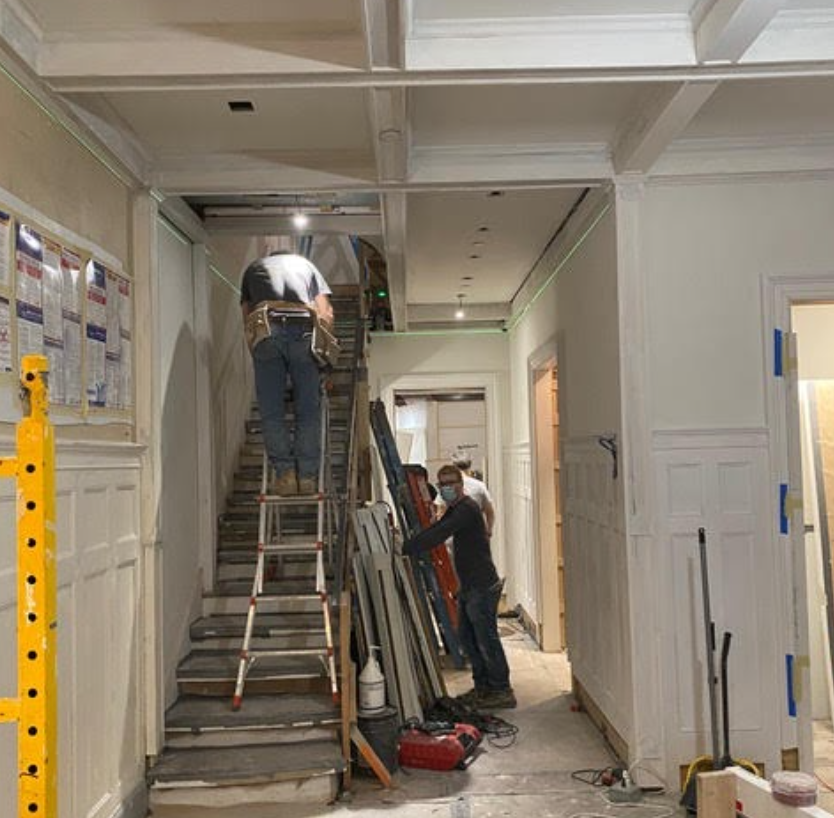
Step 4: Field Work. Our craftspeople are trained in historic techniques. We repair and restore rather than replace wherever the material condition allows. This approach is consistent with LPC preferences and typically results in a longer-lasting outcome.
Step 5: Documentation and Close-out. We provide photographic documentation of completed work, which owners can use to support future permit applications or property records.
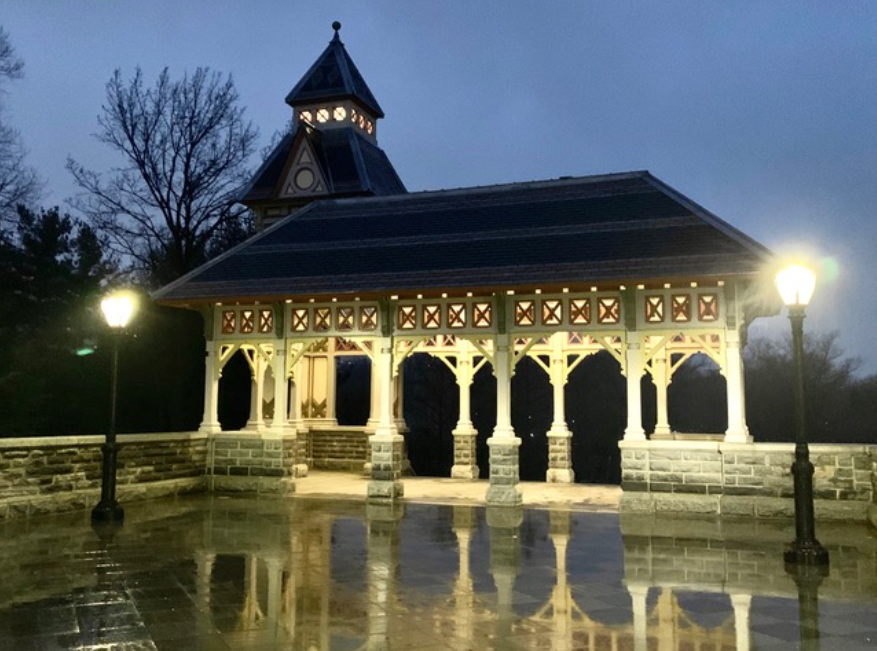
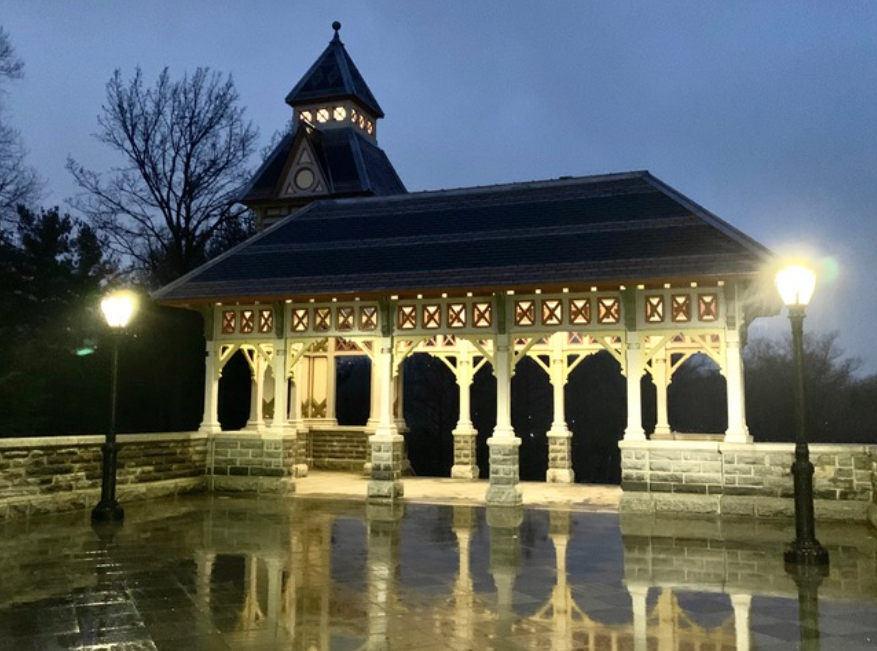
Review our Belvedere Castle project and Asbury United Methodist Church restoration for examples of how we navigate complex landmark work in New York City.
Why Local Expertise in New York City Matters
The LPC is a New York City agency with its own staff, its own interpretive traditions, and its own expectations for how applications should be prepared. An architect or contractor who has not worked regularly with the LPC will face a steeper learning curve on every project.
New York City's building stock is also physically unique. Pre-war buildings in Long Island City, brownstones in Park Slope, rowhouses on the Upper West Side, and cast-iron structures in Tribeca each present distinct material conditions. The wood species used in 1890 is different from what was standard in 1930. The finish systems are different. The joinery details are different. Matching them correctly requires experience, not just good intentions.
Fifty Three Restorations has completed projects in Manhattan, Brooklyn, Queens, and the Bronx. We know the materials, the methods, and the approval processes specific to New York City landmark work.
The Value of LPC-Compliant Restoration
Owners sometimes hesitate over restoration when replacement seems simpler upfront. Here is a more complete picture.
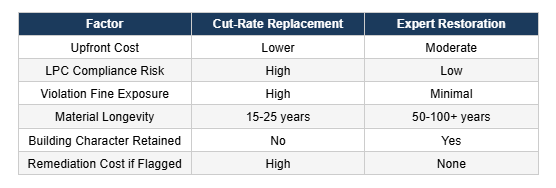
LPC violations in New York City carry civil penalties that accrue daily and can mount quickly during protracted non-compliance. A single remediation order requiring removal and replacement of non-compliant work can easily outweigh a properly managed restoration project handled correctly from the start.
5 Practical Tips for Building Owners Navigating LPC Requirements
- Check your property's landmark status before starting any exterior work. The LPC website includes a searchable map of all designated properties and historic districts.
- Schedule a pre-application meeting with LPC staff before hiring architects or contractors. You will learn the approval threshold and likely material requirements for your specific building.
- Hire a contractor with documented experience in LPC-approved projects, not just general carpentry or construction.
- Request written documentation of all proposed materials, species, profiles, and finish systems before work begins. This protects you if the work is reviewed later.
- Keep copies of all LPC filings, approvals, and completion photos in your building file. They will support future permit applications and property transactions.
Frequently Asked Questions About LPC Compliance in New York City
Do I need LPC approval for interior work?
In most cases, no. LPC jurisdiction covers exterior elements visible from a public thoroughfare. Interior work is generally outside LPC scope unless the interior has received a separate interior landmark designation, which applies to a small number of spaces in New York City.
How long does LPC approval take in 2026?
A Certificate of No Effect for in-kind repair work can take a few days to a few weeks. A Certificate of Appropriateness for more complex alterations typically requires a staff-level or full commission review, which can range from four to twelve weeks depending on application completeness and scheduling.
What happens if I do unpermitted work on a landmark?
The LPC can issue a Notice of Violation and require the owner to restore the building to its prior condition. Civil penalties accrue daily. In serious cases, the LPC can seek court-ordered injunctive relief.
Can I replace my wood windows with fiberglass or aluminum units?
Fiberglass clad wood windows that match the original profile are sometimes approved. All-aluminum or all-vinyl units are generally not approved in historic districts. The LPC evaluates proposed replacements against the original character-defining features of the building.
Is Fifty Three Restorations familiar with LPC filing procedures?
Yes. Principal Vince Lepre has worked on New York City landmark properties since 1984 and holds a graduate degree in historic preservation. We support clients through LPC filings on most of our projects.
Customer Success: Historic Window Restoration in New York City
James C., a building owner in New York City, shared this about his experience with Fifty Three Restorations:
"We are so happy with the work of Fifty Three Restorations. They carefully removed, restored and reinstalled our c1790 double hung windows with new weatherstripping. And disassembled and reassembled our c1790 Dutch door to work like new. They are expert craftspeople!"
This project required careful documentation of the existing window configuration and joinery before any work began. The restored windows match the original profiles and are LPC-compliant. The building owner avoided the disruption and risk of replacement while getting windows and a door that perform better than they have in decades.
Fifty Three Restorations Serving Long Island City and Beyond
Fifty Three Restorations is dedicated to serving the diverse needs of the local community of Long Island City, Queens. With our convenient location near the Queens-Midtown Tunnel and the Long Island Expressway (I-495), we offer interior and exterior architectural woodwork, wood windows, doors and millwork, building cornices, period reconstructions, and architectural woodwork finishes to property owners throughout the New York City area.
Located at 38-16 Skillman Ave # B, Long Island City, NY 11101, our team is accessible from Manhattan, Brooklyn, the Bronx, Staten Island, and all parts of Queens. We serve customers across New York City, Long Island, and Westchester County.
Quick Access Information:
- Minutes from Manhattan via the Queens-Midtown Tunnel
- Easy access via the Long Island Expressway (I-495) and the BQE (I-278)
- Serving residents across the Upper West Side, Brooklyn Heights, Park Slope, Harlem, and the Bronx
- Projects completed throughout New York State
Finding quality historic preservation and restoration close to home matters. Clients throughout New York City and the greater metro area trust Fifty Three Restorations for reliable, professional craftsmanship backed by more than three decades of experience in historic preservation.
Get Historic Preservation and Restoration Services in New York City Now!
Call us today at (212) 566-1053 or contact us online to request a proposal.
Driving Directions to Fifty Three Restorations
Our shop is located at 38-16 Skillman Ave # B, Long Island City, NY 11101. We are easy to reach from all five boroughs and the greater New York metro area via the Queens-Midtown Tunnel, the Long Island Expressway (I-495), or the BQE (I-278). Parking is available near our location.
[Google Maps Embed: 38-16 Skillman Ave # B, Long Island City, NY 11101]
Scan or click the map at fiftythreerestorations.com to get turn-by-turn directions from your location.
Business Hours and Contact Information
Fifty Three Restorations serves building owners, architects, and property managers across New York City and the surrounding metro area. Reach us through any of the channels below.
Business Name: Fifty Three Restorations Inc
Address: 38-16 Skillman Ave # B, Long Island City, NY 11101
Phone: (212) 566-1053
Website: fiftythreerestorations.com
Services: Interior and Exterior Architectural Woodwork, Wood Windows, Doors and Millwork, Wood Staircases and Handrails, Building Cornices, Period Reconstructions, Architectural Woodwork Finishes
Follow Us: Facebook | Instagram | LinkedIn
Get a Proposal Today
If your building is in a New York City historic district or carries landmark designation, get ahead of the compliance process. Fifty Three Restorations provides thorough assessments, clear scopes of work, and field execution that meets LPC standards. Request a proposal today and protect your investment.
Buildings in New York City age faster than owners expect, and every season of neglect adds to the damage. The right time to act is before damage spreads, not after.
Call us now: (212) 566-1053
Request a proposal online: fiftythreerestorations.com/contact-us
Fifty Three Restorations is based in Long Island City, NY and serves all five boroughs plus the greater New York metro area. Contact us today to start the conversation.
Conclusion
The NYC Landmarks Preservation Commission exists to protect the architectural character that makes New York City neighborhoods distinctive and livable. For building owners, that mission is worth understanding and working within, not around.
The owners who navigate LPC requirements most successfully share a few traits. They engage qualified preservation professionals early. They document existing conditions before work begins. They treat restoration as an investment in their building's longevity rather than a corner to cut.
Fifty Three Restorations brings more than 30 years of experience in New York City landmark work to every project. We serve Long Island City, Manhattan, Brooklyn, Queens, the Bronx, and the surrounding metro area. Contact us at fiftythreerestorations.com/contact-us or call (212) 566-1053 to get started.
Explore More Insights
Get Started with Your Project
Contact us today to schedule a consultation.
