

Cornice in Building Construction: A Complete Guide for Long Island City Property Owners
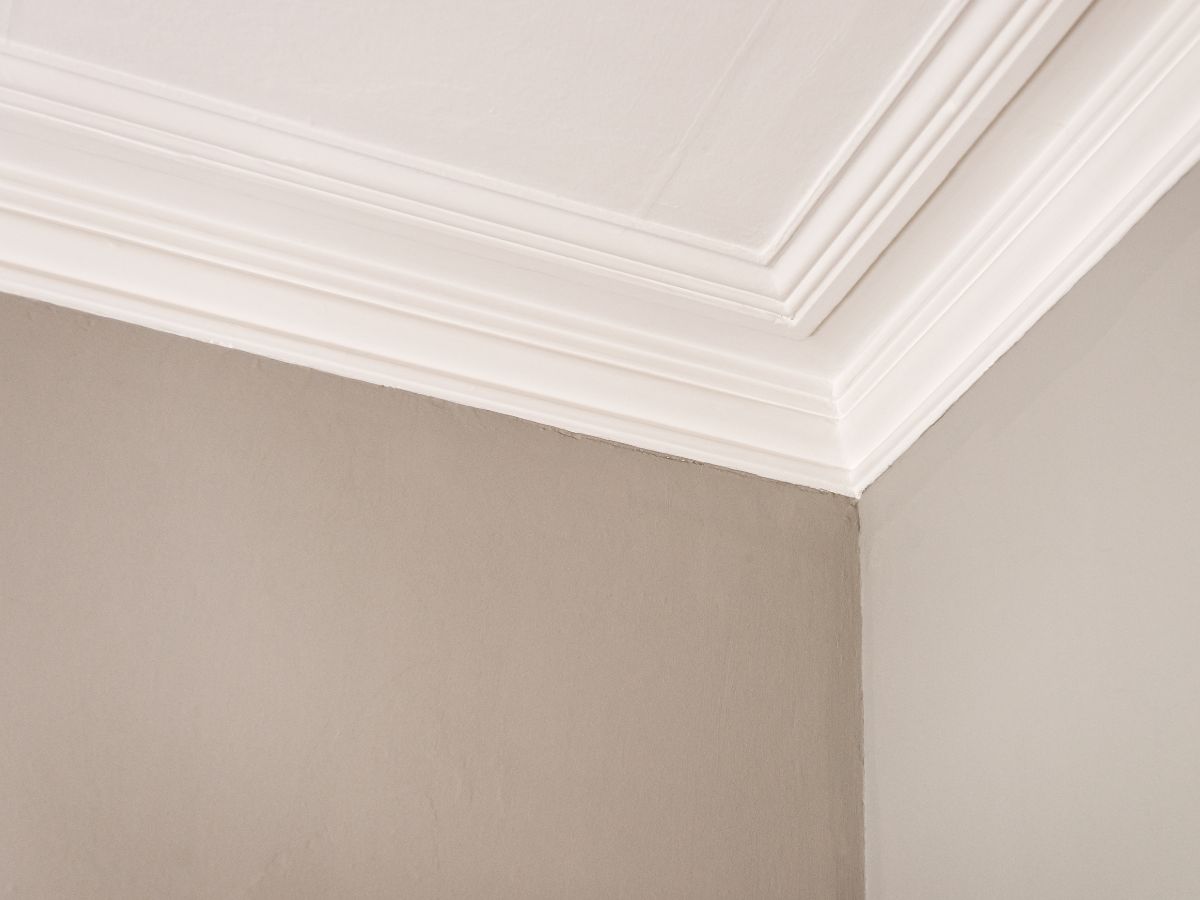
Long Island City stands as a testament to architectural evolution, where historic brownstones meet modern developments. The ornate cornices crowning these buildings aren't just decorative elements. They protect your property from water damage while defining its character. When these architectural features deteriorate, property owners face both aesthetic and structural challenges that require specialized expertise.
Fifty Three Restorations Inc has spent over 30 years mastering the art and science of cornice construction and restoration throughout Queens County. Our team understands the unique demands of Long Island City's diverse architecture, from the historic factories converted to lofts in Astoria to the classic residential buildings in Forest Hills. Whether your property features a simple box cornice or an elaborate modillion design, proper construction and maintenance prevents water infiltration while preserving the building's historic integrity.
The cornice serves as your building's first line of defense against weather while making a bold architectural statement. This guide explores everything property owners, developers, and architects need to know about cornices in building construction, with specific focus on the challenges and solutions relevant to Long Island City and surrounding Queens neighborhoods.
Understanding Building Cornices and Their Critical Role
A cornice represents the projecting horizontal feature that crowns a building's exterior wall, traditionally positioned where the wall meets the roofline. This architectural element combines function with form, channeling water away from the building facade while adding visual weight and character to the structure's profile.
Building cornices evolved from classical Greek and Roman architecture, where they formed the uppermost section of the entablature. In Long Island City's historic buildings, you'll find cornices constructed from wood, metal, stone, or composite materials, each requiring different construction techniques and maintenance approaches.
The functional importance of cornices cannot be overstated. These features create an overhang that directs rainwater and snowmelt away from the building's walls and foundation. Without proper cornice construction, water runs directly down exterior walls, seeping into masonry joints, rotting wooden elements, and eventually compromising the building's structural integrity. In Queens County's climate, with its freeze-thaw cycles and coastal humidity, a well-constructed cornice makes the difference between a building that ages gracefully and one that requires constant repairs.
Modern cornice construction in Long Island City must balance historic preservation requirements with contemporary building codes and performance standards. Many properties in neighborhoods like Kew Gardens and Jackson Heights fall under historic district regulations, requiring any cornice work to match original designs and materials.
Signs your building cornice needs attention:
- Visible rot or decay in wooden cornice elements
- Peeling paint or exposed substrate materials
- Water stains on the building facade below the cornice
- Sagging or pulling away from the building structure
- Missing or damaged decorative elements
- Gaps between the cornice and the building wall
- Ice dams forming along the cornice line in winter
- Visible rust or corrosion on metal components
Common Mistakes Property Owners Make with Cornice Construction
Many property owners underestimate the complexity of cornice construction, leading to failures that compromise both the building's appearance and its weather protection. Understanding these pitfalls helps you avoid serious mistakes and ensures your cornice performs its intended function for decades.
1. Using incorrect materials for reconstruction
Substituting modern materials without understanding their compatibility with existing building elements causes failure. Mixing woods with different expansion rates, using non-breathable sealants on historic structures, or choosing inappropriate metals for coastal environments creates problems worse than the original issue. Queens County's moisture levels and temperature fluctuations demand materials that respond appropriately to seasonal changes.
2. Neglecting proper flashing installation
The connection between the cornice and the roof requires carefully designed flashing systems. Many contractors focus on visible elements while overlooking the hidden waterproofing details that prevent moisture intrusion. Improperly installed or missing flashing allows water to enter behind the cornice, causing rot that spreads before becoming visible.
3. Failing to address underlying structural issues
Installing a beautiful new cornice over damaged support structures creates a temporary fix that fails quickly. The building's fascia, rafters, and wall plates must be structurally sound before cornice installation. Water damage often extends deeper than visible surfaces, requiring thorough investigation and repair before cosmetic work begins.
4. Ignoring historic district requirements
Property owners in Astoria and other historic neighborhoods sometimes proceed with cornice work without proper approvals, only to face orders to remove non-compliant installations. Historic preservation regulations in Long Island City specify materials, profiles, and construction methods that maintain neighborhood character. Working with experienced restoration specialists who understand these requirements prevents needless do-overs.
5. Choosing price over expertise
Cornice construction demands specialized woodworking skills, historic preservation knowledge, and understanding of building science. The cheapest option often comes from contractors who lack this expertise, resulting in poor craftsmanship, inappropriate materials, and construction details that trap moisture rather than shed it. Correcting failed work almost always takes far more time and effort than doing it right from the start.
Professional Cornice Construction: The Fifty Three Restorations Approach
Professional interior and exterior architectural woodwork demands a systematic approach that addresses both visible aesthetics and hidden performance requirements. Our three-decade track record in Long Island City comes from following proven processes that ensure cornices look beautiful while protecting your building.
Initial assessment and documentation
We begin every cornice project with thorough investigation of existing conditions. Our craftsmen examine not just the cornice itself but the entire assembly, including roof connections, structural supports, and water management systems. For historic properties in Flushing or Bayside, we document original construction methods and materials, photographing details that inform accurate reconstruction.
This phase includes moisture testing to reveal hidden water damage, structural evaluation of supporting elements, and assessment of any previous repairs. We probe painted surfaces to determine original profiles and molding details, ensuring reproductions match authentic designs. Historic research sometimes reveals original construction methods that performed better than later modifications.
Design and material selection
Based on assessment findings, we develop construction drawings that detail every component of the cornice assembly. Material selection considers the building's age, architectural style, exposure to weather, and maintenance requirements. For properties requiring architectural woodwork finishes that replicate historic appearances, we source old-growth lumber or select modern alternatives with matching characteristics.
Metal components receive equal attention, with copper, galvanized steel, or specialized alloys chosen based on the building's specific needs. We calculate thermal expansion, galvanic compatibility with adjacent materials, and expected service life when specifying metals for Long Island City's climate conditions.
Fabrication and installation
Our Long Island City workshop allows us to fabricate cornice components in controlled conditions, ensuring precise joinery and proper finish application before installation. Complex moldings are built up from multiple pieces, joined using techniques that allow for wood movement while maintaining weather-tight seals.
Installation follows a specific sequence that ensures proper integration with roofing systems and building structure. We install new flashing, address any structural repairs, apply weather barriers, and then mount cornice components using fastening methods appropriate to the building's construction. Each connection point receives attention to prevent water infiltration while allowing the natural expansion and contraction of materials.
Finishing and protection
Surface preparation and finish application determine how long your cornice maintains its appearance. We apply primers and topcoats formulated for exterior exposure, building film thickness that protects against moisture while allowing vapor transmission. Historic finish replication sometimes requires custom color matching and traditional painting techniques that replicate original appearances.
The completed cornice receives final inspection confirming proper water shedding, secure attachment, and aesthetic accuracy. We provide maintenance guidelines specific to your cornice's materials and construction, helping you protect this investment through routine care.
Why Local Expertise Matters for Long Island City Cornice Work
Queens County's architectural diversity and regulatory environment demand contractors who understand local conditions and requirements. Buildings in Long Island City face specific challenges that affect cornice performance and longevity.
The proximity to the East River creates elevated humidity levels and salt exposure that accelerate corrosion of metal components and deterioration of wood elements. Cornices in neighborhoods near Astoria require more frequent maintenance than those in inland locations. Moisture management becomes critical, with proper ventilation and drainage details preventing the rot that plagues waterfront properties.
Building regulations in Long Island City blend New York City construction codes with historic preservation requirements enforced by the Landmarks Preservation Commission. Cornice work on designated landmarks or within historic districts requires specialized knowledge of acceptable materials and methods. We maintain relationships with preservation officials and understand the approval processes that keep your project moving forward.
Access challenges unique to dense urban environments affect cornice construction logistics. Narrow streets in Jackson Heights and Kew Gardens limit equipment options, while scaffolding permits require coordination with city agencies. Our experience navigating these logistical complexities prevents project delays and keeps projects running smoothly.
The mix of architectural styles across Queens County means cornice profiles vary dramatically from block to block. Victorian-era buildings feature ornate brackets and dentil work, while early 20th-century structures display simpler geometric designs. Our craftsmen have replicated hundreds of different cornice styles across Long Island City neighborhoods, building a reference library that informs accurate reconstructions.
Seasonal weather patterns influence construction scheduling and material specifications. We plan cornice installations around temperature and moisture conditions that ensure proper adhesion of finishes and sealants. Understanding local weather patterns prevents installation problems that compromise performance.
The Value of Professional Cornice Construction
Cornice projects vary widely based on scope, materials, building height, and design complexity. Property owners in Long Island City should understand the factors that shape a project and the long-term value professional construction delivers.
Factors that influence a cornice project:
- Building height and accessibility requirements
- Extent of structural repairs needed before cornice installation
- Complexity of design and amount of custom millwork
- Material selection: wood species, metal types, finish requirements
- Historic preservation requirements and approval processes
- Scaffolding and site access logistics in urban environments
- Season and weather conditions affecting construction scheduling
The value of professional cornice construction extends beyond initial appearance. Properly constructed cornices last 50 to 100 years with routine maintenance, while poorly executed work fails within a decade. The water protection cornices provide prevents facade repairs, foundation problems, and interior damage that would otherwise far outweigh the work itself.
For multi-family buildings in Astoria or Bayside, well-maintained cornices contribute to property values and tenant satisfaction. These architectural features differentiate buildings in competitive rental markets, strengthening their appeal and attracting quality tenants who appreciate historic character.
Energy efficiency improves when cornices integrate with proper building envelope detailing. The overhang provides shading that reduces cooling demand, while proper ventilation details prevent moisture accumulation that degrades insulation performance. These benefits accumulate over decades.
Investment in wood windows, doors and millwork that matches cornice quality creates cohesive building character that enhances property values. Buyers and tenants recognize buildings where restoration work was done right, making quality craftsmanship a competitive advantage in Long Island City's real estate market.
Practical Tips for Maintaining Your Building Cornice
Property owners can extend cornice life and prevent expensive repairs through regular maintenance and prompt attention to developing problems. These practical steps protect your investment between professional inspections.
1. Conduct seasonal inspections
Walk the building perimeter each spring and fall, looking for signs of cornice deterioration. Use binoculars to examine details from ground level, noting any changes in appearance, gaps opening between components, or areas where water appears to be penetrating. Early detection prevents small problems from becoming major failures.
2. Keep gutters and downspouts clear
Clogged gutters overflow directly onto cornice elements, saturating wood and accelerating deterioration. Clean gutters at least twice yearly, more frequently if trees overhang the building. Ensure downspouts discharge away from the foundation, completing the water management system that begins with the cornice.
3. Address paint failure promptly
Peeling paint exposes wood to moisture, beginning a deterioration cycle that accelerates rapidly. Touch up minor paint failures before water penetrates the substrate. Full repainting should occur every 8-12 years for Long Island City's climate, before widespread failure develops.
4. Monitor for pest activity
Carpenter bees and other insects bore into cornice woodwork, creating entry points for water while weakening structural integrity. Look for sawdust accumulation and fresh bore holes, treating infestations immediately. Woodpecker damage sometimes indicates existing insect problems that require professional pest management.
5. Document your cornice condition
Photograph your cornice from multiple angles annually, creating a visual record that reveals gradual changes not apparent from year to year. This documentation helps contractors understand deterioration patterns and proves valuable when planning restoration work or filing insurance claims for storm damage.
Real Success: Restoring Architectural Character in Forest Hills
A 1920s apartment building in Forest Hills came to us after years of deferred maintenance left the elaborate cornice in dangerous condition. Several sections had pulled away from the building, threatening to fall on the sidewalk below, while extensive rot had spread through the wooden structure.
Our team documented the original cornice design, including intricate brackets and moldings that exemplified the building's Mediterranean Revival style. We fabricated exact reproductions in our Long Island City workshop, using mahogany that matched the original wood's durability and workability. The installation required careful coordination with the building's occupied status, working section by section to maintain weather protection throughout the process.
The completed restoration transformed the building's appearance while eliminating the safety hazard and water infiltration problems. The property owner reports that tenant satisfaction increased noticeably, with residents expressing pride in their building's restored architectural character. This project demonstrates how proper cornice construction preserves Long Island City's architectural heritage while protecting property investments for future generations.
Fifty Three Restorations Inc Serving the Long Island City Community and Beyond
Fifty Three Restorations Inc is dedicated to serving the diverse needs of the local community of Long Island City. With our convenient location near Queens County, we proudly offer interior and exterior architectural woodwork, wood windows, doors and millwork, and architectural woodwork finishes to residents throughout the area.
Located at 38-16 Skillman Ave # B, Long Island City, NY 11101, our team is easily accessible from Astoria, Bayside, Flushing, Forest Hills, Jackson Heights, and Kew Gardens, and serves customers across Queens County and surrounding communities.
Quick Access Information:
- Only 8 minutes from Museum of the Moving Image
- Easy access via 39th St
- Serving residents across Astoria, Bayside, Flushing
We understand that finding quality architectural woodwork restoration close to home matters. That's why customers from throughout Queens County trust Fifty Three Restorations Inc for reliable, professional service.
Get Cornice Construction Services in Queens County Now
Call us today at 646-917-7394 or contact us online to schedule your cornice evaluation.
Business Hours & Contact Information
Fifty Three Restorations Inc operates Monday through Friday, 7:00 AM to 5:00 PM, with emergency services available for urgent cornice failures threatening property damage or public safety. Our Long Island City workshop and office location at 38-16 Skillman Ave # B provides convenient access for project consultations and material selections.
Reach us by phone at 646-917-7394 during business hours, or submit project inquiries through our website contact form at any time. We respond to all inquiries within one business day, scheduling on-site evaluations at your convenience.
For property owners managing multiple buildings across Queens County, we offer portfolio services that coordinate cornice maintenance and restoration across your properties, preventing problems through proactive inspection and scheduled maintenance programs.
Take Action: Protect Your Building with Professional Cornice Construction
Your building's cornice represents both architectural character and structural protection. Deteriorating cornices compromise your property's weather resistance while diminishing its appearance and value. A professional evaluation is complimentary and provides the information you need to make informed decisions about necessary repairs or reconstruction.
Fifty Three Restorations Inc brings over 30 years of specialized experience to every cornice project in Long Island City. Our craftsmen understand the unique requirements of Queens County's diverse architecture, from Victorian-era brownstones to early 20th-century apartment buildings. We navigate historic preservation requirements, deliver quality craftsmanship, and stand behind our work with comprehensive warranties.
Don't wait for small problems to become major emergencies. Contact us today at 646-917-7394 to schedule your complimentary cornice evaluation. Our team will assess your building's needs, explain your options, and outline a clear plan for construction or restoration work. Let us help you protect your property investment while preserving the architectural character that makes Long Island City neighborhoods distinctive.
Conclusion
The cornice crowning your Long Island City building does far more than add decorative appeal. It protects your property from water damage while defining its architectural character. Professional construction using appropriate materials and proven techniques ensures this critical building element performs its dual function for generations.
Fifty Three Restorations Inc has spent over three decades mastering cornice construction and restoration throughout Queens County. Our team combines traditional craftsmanship with modern building science, delivering work that satisfies both historic preservation requirements and contemporary performance standards. Whether your property features a simple geometric cornice or an elaborate classical design, we bring the expertise necessary for successful construction.
Property owners throughout Astoria, Bayside, Flushing, Forest Hills, Jackson Heights, and Kew Gardens trust us for cornice work that protects their investments while enhancing their buildings' appearance. Our local presence means we understand the specific challenges your property faces and can respond quickly when problems develop.
Contact us today at 646-917-7394 to discuss your cornice construction needs and discover why Long Island City property owners choose Fifty Three Restorations Inc for their most demanding architectural woodwork projects.
FAQs
What is the primary purpose of a cornice in building construction?
Cornices serve dual functions, protecting buildings from water damage while adding architectural character. The projecting profile directs rainwater away from exterior walls, preventing moisture infiltration that causes rot, masonry deterioration, and foundation problems. This water management function remains critical for building longevity, even though many people focus primarily on the decorative aspects. In Long Island City's climate, properly functioning cornices prevent extensive water damage repairs over a building's lifetime.
How long does a professionally constructed cornice last?
Well-constructed cornices using quality materials and proper installation techniques last 50 to 100 years with regular maintenance. Wood cornices require repainting every 8-12 years and occasional repair of individual components, while metal cornices need periodic inspection and maintenance of joints and fasteners. The longevity depends heavily on material quality, construction details, and ongoing maintenance. Historic buildings throughout Queens County feature original cornices over a century old that remain functional because they were built correctly and maintained consistently.
Can I repair a cornice myself, or do I need professional help?
Minor maintenance like paint touch-ups and caulking small gaps falls within homeowner capabilities, but structural repairs and reconstruction require professional expertise. Cornice work involves working at height, understanding complex joinery, and ensuring water-tight integration with roofing systems. Improper repairs often cause more damage than the original problem, trapping moisture inside wall assemblies or creating structural failures. For properties in historic districts, professional documentation and approved methods are mandatory. The specialized skills required for quality cornice work make professional contractors the right choice for anything beyond cosmetic maintenance.
What materials work best for cornice construction in Long Island City?
Material selection depends on the building's architectural style, historic significance, and exposure. Traditional wood cornices using old-growth lumber or quality modern alternatives provide authentic appearance and proven longevity when properly maintained. Copper and coated metals offer extended service life with minimal maintenance, particularly for exposed locations near the waterfront. For historic restorations in Astoria or Forest Hills, matching original materials ensures regulatory approval and authentic appearance. Composite materials sometimes work for new construction but rarely satisfy requirements for historic properties. A restoration specialist can recommend materials appropriate to your specific building and location.
How do I find a qualified cornice construction contractor in Long Island City?
Look for contractors with demonstrated experience in architectural woodwork restoration, particularly those specializing in historic buildings. Ask for references from projects in Queens County, and inspect completed work to evaluate craftsmanship quality. Qualified contractors should understand Landmarks Preservation Commission requirements, hold appropriate licenses and insurance, and employ skilled craftsmen rather than general laborers. Membership in preservation organizations and willingness to provide detailed written scopes of work indicate professional operations. Companies with established Long Island City presence understand local building conditions and regulatory requirements that affect project success.
Verified Local Business Listings
Find Fifty Three Restorations Inc on these trusted local directories:
- Home Reno America - Metro New York Restoration Contractors
- The Blue Book - Construction Projects & Subcontractors
- Angi Reviews - Brooklyn, NY
- MapQuest - Long Island City Location
- Yelp - Customer Reviews
Explore More Insights
Get Started with Your Project
Contact us today to schedule a consultation.
